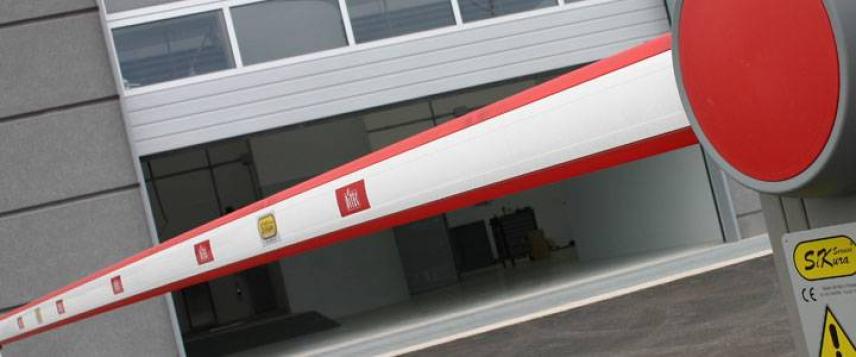
Barriers

Barriers and access control

Barriers are structures used to block the passage of vehicles, primarily within train lines or at enterprise checkpoints. Modern barriers are quite automated thanks to the use of electronic units. The convenience of using electronics lies primarily in the fact that the barrier can be locked in the open or closed position at a certain distance from the barrier itself. Another advantage of automatic barriers is that they can be opened or closed using a special key or a magnetic strip on a plastic card.

In examining the general design of barriers and their operating technology, let's highlight their main components. The structure has two main components, combined into a single system – the barrier. The first component of the barrier includes the mechanism box itself and is known in security jargon as a post or pedestal. The second component of any barrier is the boom, which blocks passage. In addition to these two required units, there may be a support mechanism for the boom, which is installed on the other side of the driveway.

The barrier post contains the entire mechanism – the electric motor, wiring, and communication system. The post body is made of suitable materials that can withstand various weather conditions and vandalism. Post installation must be carried out with due regard for the existing foundation. Neglecting the foundation may cause the barrier to shift over time, significantly impairing its operation and appearance.

The boom, as noted above, serves to create a physical barrier to traffic. Booms are typically made of aluminum or, less commonly, stainless steel. Boom cross-sections vary; the most common cross-sections are rectangular, triangular, and circular. If the boom is long enough, it is advisable to install a boom lock or catch to secure it to the side opposite the post. Failure to do so may cause the boom to deform.

Every barrier is equipped with an emergency shut-off system if necessary.

Today, barriers come with a wide range of accessories, such as warning lights, photo capture devices, additional keypads for coded access, and much more. All of the above are mounted on the barrier post. With additional accessories, the barrier boom can be automatically opened or closed.

Speaking about the advantages of modern barriers, many companies install them at checkpoints for a number of reasons. Barriers, unlike gates, for example, have a higher throughput capacity for heavy traffic, as they operate faster. Barriers are not too bulky, and compared to gates, they are easier to install – installing a barrier is much simpler and quicker than installing a heavy gate.

In conclusion, it's worth noting that the presence of a barrier at the entrance not only provides additional security, control, and convenience, but also lends significant credibility to the company and establishment that operates it.