A computer video surveillance system utilizes a personal computer as its primary component. It serves as both a viewing screen and a data storage and processing unit. Using a computer as a security video surveillance system is quite practical. Computer video surveillance is easy to use and does not require significant material costs or complex installation. All you need to create a computer video surveillance system is the computer itself, video surveillance cards, video cameras, and software. Specific software options may vary. Common features include monitoring or viewing video from one or more cameras, searching for a specific frame or video fragment based on time or date, and using the most convenient video format or converting to other formats if necessary.
Computer Video Surveillance
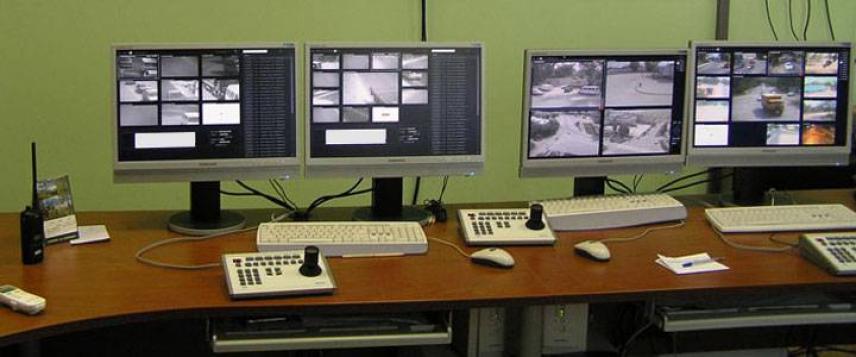
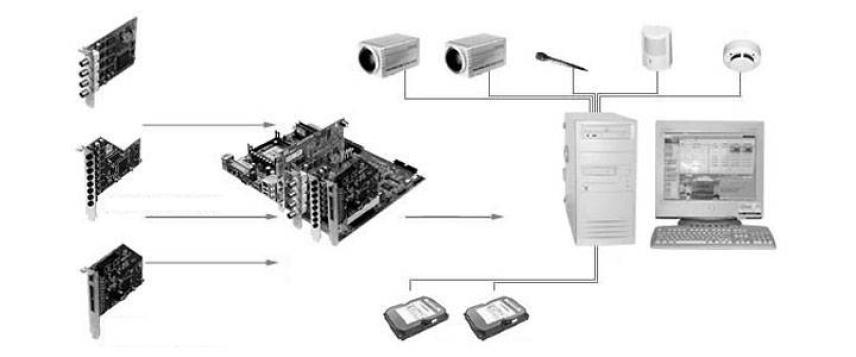
The following are some of the key advantages of using this system:
- Wireless surveillance capability, in one or more locations.
- Ability to monitor remotely via the internet using IP cameras.
- Data security is provided by setting a password on your personal computer.
- Video recording quality is higher than with other surveillance systems.
- The computer can be integrated with several types of video surveillance systems simultaneously.
- If you need to work on a specific fragment or frame, you can perform the necessary analysis.
- Ability to use a wide range of storage media and additional memory.
It's worth noting that the above are only the basic functions of computer video surveillance. If greater control and security are needed, a video surveillance system can be supplemented with, for example, motion sensors, wireless communication devices, and remote stations.
There are two types of computer-mounted video surveillance cards: those with hardware processing and those with software processing. Hardware processing is convenient because it uses minimal computer resources and processes the received data using its own processors when receiving the video signal and transmitting it to the PC. However, such cards are more expensive. With software processing, the relationship is inversely proportional: the higher the computer's capabilities, the lower the price of the video surveillance card.
Computer-based video surveillance is best suited for remote data transmission. IP cameras, the internet, and Wi-Fi can all contribute to your security and monitoring, even from a distance. Compared to other video surveillance systems, using a personal computer is the most convenient and requires the least investment, as computers are now widely available. The computer also ensures maximum ease of use of the video surveillance system, convenient file storage, and, most importantly, the reliability of their storage and processing.