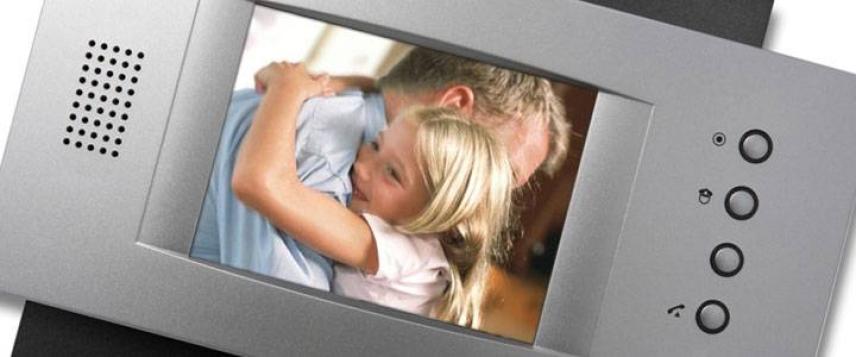
Color Video Intercoms

Color video intercoms

Video intercoms are devices that provide access control to various facilities. These facilities can range from private residential homes to commercial or industrial buildings. Remember that when choosing a video intercom, you're choosing the level of security control you need for your facility. This is the primary criterion you should consider when choosing a video intercom. Color video intercoms have a number of advantages and disadvantages that should be considered when choosing one.

A color video intercom consists of two main modules. The first is a color intercom or video panel with a camera, microphone, and call button. It is located outdoors, on the outside of the door, or next to the door. The intercom combines two functions. First, it can be used to monitor the outdoor area immediately adjacent to the entrance/exit. Second, it signals the person wishing to enter the building or facility. It's worth noting that the outdoor intercom portion of a color video intercom, depending on the design and price of the device, offers a certain level of protection against damage that could be caused by vandalism, deliberate attacks, or environmental influences. Typically, the outdoor video panel of a color intercom has no protruding parts. The panel housing is made entirely of metal, the speakers are protected by a fine grille, and the color camera is recessed sufficiently to protect it from external factors. The second portion of the video intercom is located indoors, and it is from here that control is exercised – allowing or denying access, and communicating with those seeking entry.

Communication between the outdoor and indoor modules of a color video intercom can be implemented in two ways. The first, while cheaper but less reliable, uses a wired connection, which requires additional costs for wiring and installation on-site. The second method allows connecting color video intercom modules wirelessly. If the first option is used, it should be taken into account that wires can be damaged intentionally or accidentally, whereas wireless communication does not have this problem.

Securing a territory or facility depends on a number of factors. These include the facility's classification, its value, the owner's attitude toward security, and the availability of resources the owner is willing to invest in monitoring and security at their facility.

Currently, color video intercoms are the most advanced means of monitoring and accessing a facility, offering the greatest degree of operational practicality. When considering the use of intercoms in residential settings, color video intercoms are recommended for protecting premises occupied by elderly people or children. A high-quality color screen eliminates image perception and the need to identify individuals on the screen. Photo and video recording capabilities allow you to determine who visited while you were away or for other reasons the intercom was not being monitored. In this case, photo or video recording is activated by pressing a button on the external panel. Photo or video recording can also be activated when someone approaches the color intercom's external panel within a certain distance.

Another advantage of color video intercoms is the ability to connect additional surveillance and communication devices, such as call panels or monitors, allowing you to create an entire access control network from a single video intercom. Internet connectivity is also an advantage of color video intercoms. Information from the intercom can then be transmitted to the screen of your tablet or smartphone. Color intercoms essentially have only one drawback: the reduced sensitivity of color video cameras, but illumination and advances in color camera development significantly reduce this disadvantage.

In conclusion, when choosing a security access control system, you alone determine the level of protection you require. More modern color intercoms require more investment, but they provide quick installation and connection, as well as a higher level of security on the premises or site.