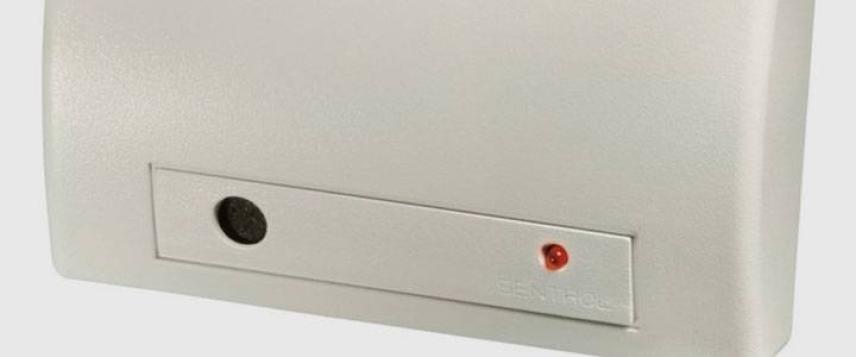
The style of modern cities dictates the presence of glass elements in many buildings. The need to meet the requirements of modern architecture necessitates compliance with the required security standards. Currently, there are sensors for security alarm systems designed specifically for glass-dominated environments – these are glass break sensors. Glass break sensors operate by analyzing the sound received by a microphone when glass breaks. When glass breaks or is cut with a glass cutter, it emits a sound of a specific frequency, which is detected and responded to by the glass break sensor.
A closer look at their operating principles and functionality should note that glass break sensors typically combine the functions of other sensors, most often motion sensors, which is convenient. Returning to the operating principle of glass break sensors, we can also talk about the microphone's perception of a narrow spectrum of sound waves – characteristic only of glass. For example, the sound of a cat's footsteps isn't detectable by the sensor; moreover, a comparative contrast in frequencies is required to trigger an alarm. The glass break sensor responds to a combination of high and low frequencies—high frequencies are triggered by impacts on the glass, while low frequencies are triggered by the glass breaking itself.