DVR Video Recorders

DVR video recorders

A DVR is an electronic device, or more precisely, a hardware and software system, designed to record video, audio (if equipped with the necessary sound recording equipment), and also to send alarms in the event of a fire or intrusion (motion sensors are required for this purpose). The DVR receives the necessary information from the protected site, processes it, and stores it. DVRs can be used both on real estate and on mobile objects, such as cars.

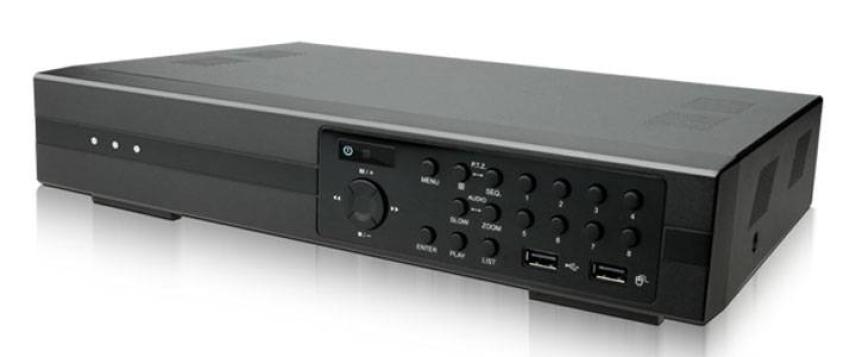
The most standard digital recorder package includes the recorder itself, a mouse, a power supply, and a disk with the necessary software. However, one or more hard drives for storing the data must be purchased separately.

A digital video recorder can be used for a wide range of applications:

  • Surveillance, photography, and video recording of individuals in private homes, apartments, and supermarkets.
  • Car tracking in parking lots and at business checkpoints.
  • Work monitoring, including cash transactions, invoices, receipts, etc.
  • Territory monitoring required.
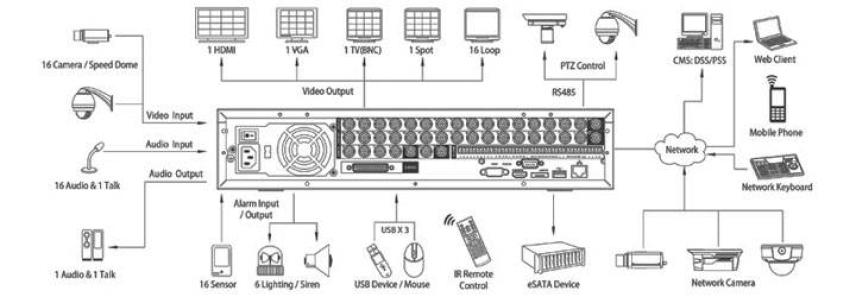
DVR connection diagram

The design of a digital video recorder is similar to that of a computer. The main components of this device are an analog-to-digital converter, a hard drive, and a processor. A dedicated operating system can be installed for ease of use. Video captured by the recorder is compressed, reducing the disk space required. Just like a personal computer, the recorder can connect to a local or global network to transfer files to remote devices.

The main technical specifications that will determine the price and capabilities of the digital recording device you purchase are as follows:

  • Number of video channels for network connection
  • Overall recording speed
  • Recording quality (resolution)
  • Specific compression type
  • Amount of information that can be recorded before being overwritten
  • Presence or absence of channels for communication with external storage devices
  • Ability to connect audio channels
  • Ability to connect video cameras capable of transmitting information over wired or wireless networks (IP video cameras)
  • Ability to operate in a network environment, etc.

Resolution – this parameter will determine the quality of the recorded file, as well as the storage space it will occupy. The lowest recording resolution is 360x240 pixels, while the highest is 480x720 pixels. Higher video quality means clearer details and better color reproduction, and vice versa.

Memory availability and expandability. Simpler models can accommodate one or, at most, two hard drives. More advanced DVRs can accommodate 6-8 hard drives. Audio channels are similar: simpler models can use up to 4 audio recording channels, while more advanced models can accommodate up to 16 or more. The ability to transmit data over network channels not only ensures ease of use but also provides additional data protection, for example, against accidental loss or malicious damage.

Technology is constantly evolving, and security is no exception. A DVR will simplify many of your concerns related to monitoring and securing the premises of any facility. Ultimately, it's up to you to decide which device and its technical features are right for you, as you alone are responsible for your safety and the safety of your property.