A fire alarm is a crucial element of any facility security system. Its primary function is to promptly detect the source of a fire and notify the appropriate authorities. The more reliably and quickly a fire alarm notifies of an emergency, the less potential damage from a fire.
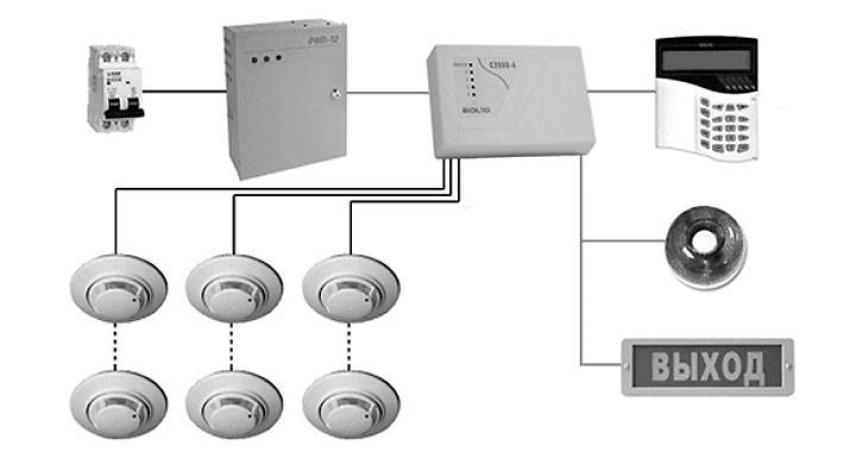
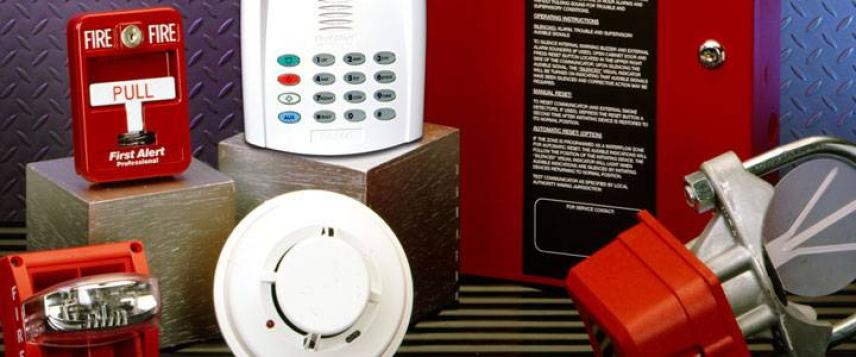
A fire alarm system consists of various types of sensors and a central panel that analyzes the information and reports the facility's status. Fire alarms utilize temperature sensors, optical sensors, gas analyzers, and other sensors. Fire alarms utilize various types of sensors – those triggered by a certain temperature, those that detect smoke of varying concentrations, and sensors specifically designed for each specific situation in different types of premises. Some sensors may simply signal the presence of danger, some may provide additional information about their functionality, and others may continuously transmit information about the parameters being monitored.