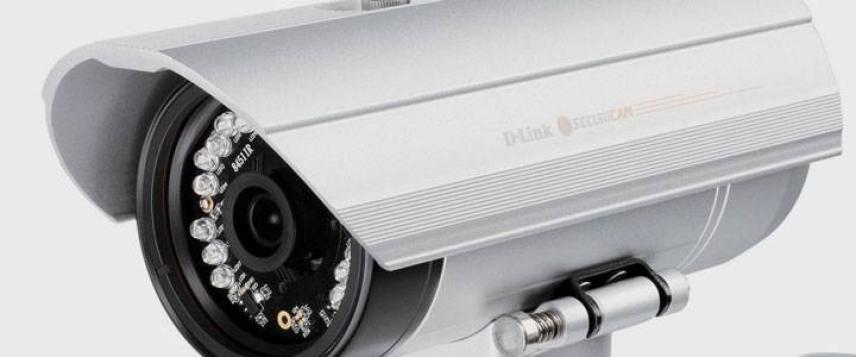
IP Cameras

IP surveillance cameras

An IP camera is a combination camera and mini-computer in a single housing. Video recording occurs in real time, allowing you to monitor any process captured by the camera. IP cameras can produce high-resolution images – 1280x1024, 1200x1600, or even higher.

IP cameras have a wide range of applications. These can include standard video surveillance, monitoring and control of industrial processes, managing remote projects, visually monitoring emergency situations, analyzing images of large numbers of people, and even distance learning.

The key advantage of an IP camera is that it doesn't simply act as a tracking, monitoring, or data storage device. It can transmit data to anywhere in the world. As long as you have internet access, an IP address, a username, and a password, you can receive data from a specific camera. And, most importantly, no DVR or monitor is required. Also, with the correct settings, in the presence of certain events – movement or fire – the camera itself will notify the owner of unwanted events at his property.
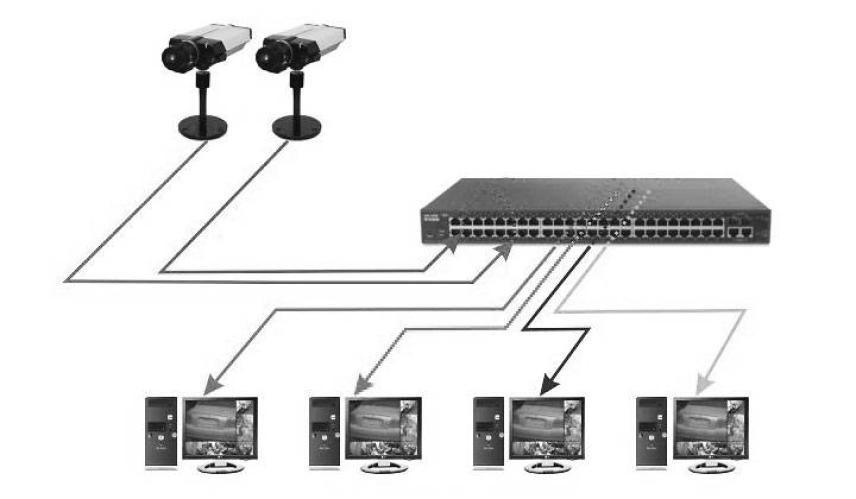
IP surveillance camera connection diagram

IP video cameras have distinct differences and are manufactured for specific operating conditions. Outdoor camera housings are made of more durable materials that are resistant to weather conditions and vandalism. The camera's components and mounts meet the relevant operating conditions. If necessary, an outdoor camera can be panned and zoom significantly, significantly increasing the viewing angle and image detail. Panning and zooming, as well as file retrieval, can be performed remotely. For better concealment, a hemispherical camera can be purchased – visually, such a camera is indistinguishable from a lighting fixture. IP cameras designed for indoor use have a more refined design and take up relatively little space. With the motion sensors mentioned above, the owner will be alerted to unwanted visitors. It's worth noting that with motion sensors, the camera can be configured to record immediately upon detection of movement, or, in other words, upon intrusion into the protected area. In general, both cameras feature night vision technology, which provides additional security and monitoring capabilities. IP video cameras offer the ability to expand their internal memory using memory cards similar to those found in mobile phones.

IP video cameras feature a dedicated interface and IP address, an email client, alarm sensors, and the ability to be customized for each specific situation. Operating the aforementioned device is easy, even for those with limited computer skills. IP video camera installation is quite simple and can be performed by the owner of the protected facility themselves. IP cameras are completely standalone devices, and integration into a computer network is not mandatory.

In summary, an IP video camera is a standalone, multifunctional, and highly reliable device with high performance, providing reliable protection and monitoring with minimal effort.