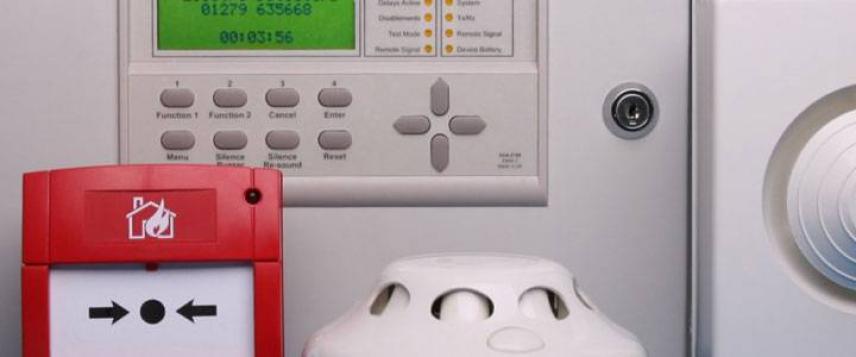
Fire Systems

Fire alarm systems

Fire systems are a set of technical means that enable a prompt response to a fire, provide a warning signal, and prevent loss of life and injury, as well as large-scale property damage. A fire system provides a function similar to any security system – monitoring. However, each security system is controlled independently. The general operating principle of a fire system is that, in the event of a fire, a sensor installed in a specific location within the monitored area or facility is triggered. This signal is sent to a receiving and control device. At the same time, an alarm system (light and sound) is activated. This signal is then transmitted to the operator's control center.

The main functions of a fire safety system include fire hazard detection; analysis and recording of incoming information; generation and transmission of an alarm signal; and the activation of fire suppression devices (automatic fire extinguishing systems, smoke extraction systems, etc.).
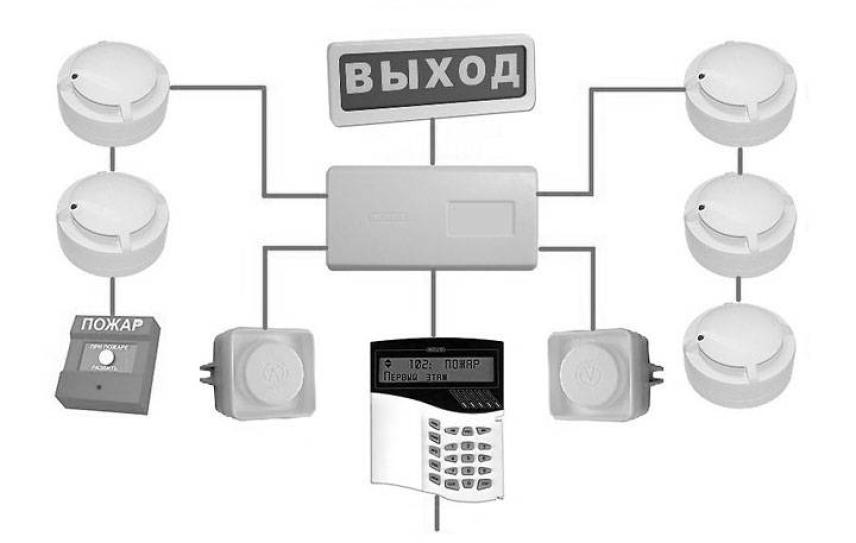
Fire alarm system wiring diagram

A modern fire alarm system consists of the following components:

  • A receiving and monitoring device (mentioned earlier).
  • If necessary, a device for connecting multiple sensors, two or more (a repeater).
  • Interface converters and signal repeaters (if necessary).
  • A fire alarm control panel (in larger facilities, this may be a PC with specific software).

There are several options for transmitting signals between individual parts of the system:

  • Modem connection.
  • Internet connection.
  • Fiber optic connection.
  • Mobile phone connection.

The main difference between the main types of fire alarm systems is the operating principle and functionality of the specific alarm type.

Conventional or threshold fire alarm systems are distinguished by the fact that when a sensor detects a fire hazard, the alarm system generates a general alarm. The source of the fire can be identified only by the loop number; a specific sensor is not identified. These systems are recommended only for small facilities.

Addressable fire alarm systems are the complete opposite of the previous systems. Although the signal is similarly transmitted from a specific sensor, the alarm system in the loop records the specific source of the signal. Thus, the potential danger zone can be pinpointed with complete accuracy.

Addressable analog fire alarm systems utilize the most intelligent alarm systems. Unlike the first two systems, the alarm system monitors indoor conditions, not the sensor. The alarm system responds to changes in temperature or smoke in the room; the sensor merely receives the information. The advantage of this system is that it allows for early detection and elimination of hazards. It's worth noting that this fire safety system can be adjusted to specific conditions without interrupting operation.

By understanding the operating principles of a specific type of fire safety system, as well as the principles common to all systems, you can choose the one that's right for you. It's important to remember that a fire safety system can protect your property or even your life from unwanted consequences.